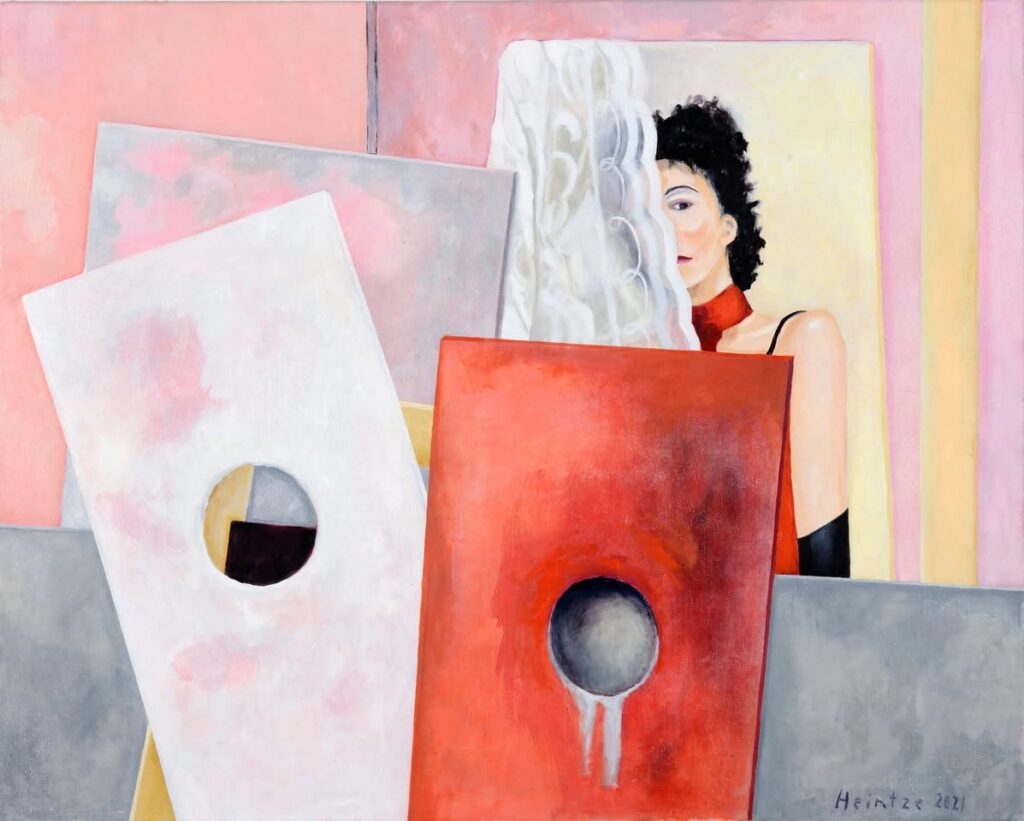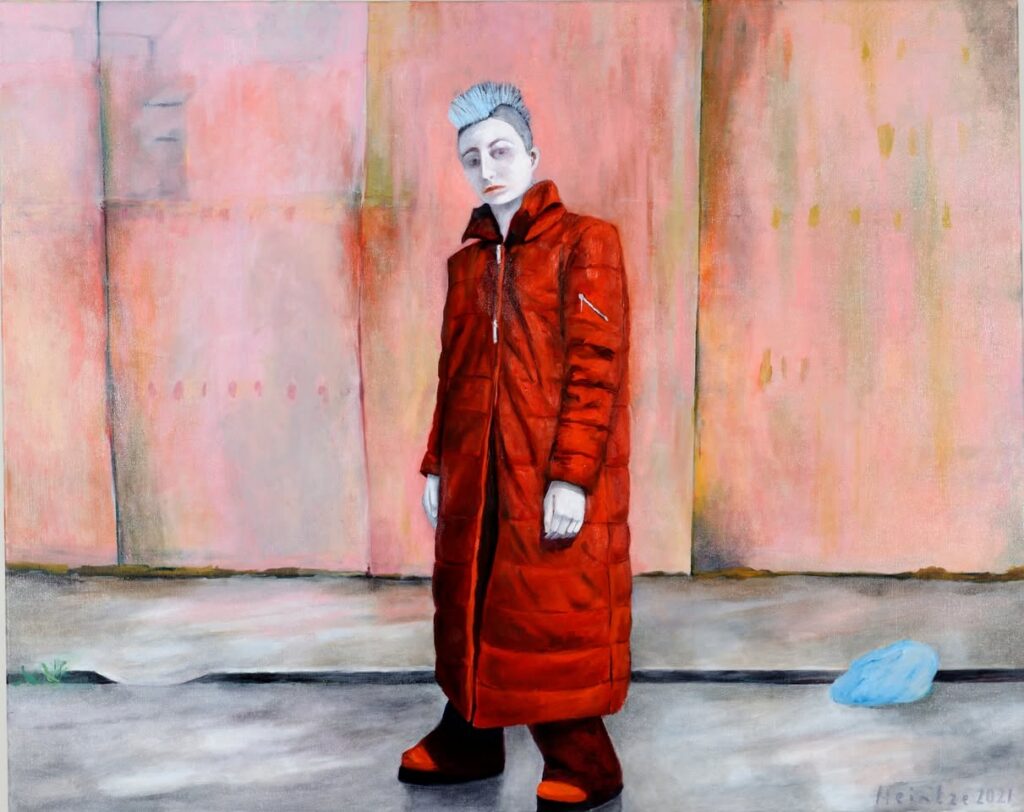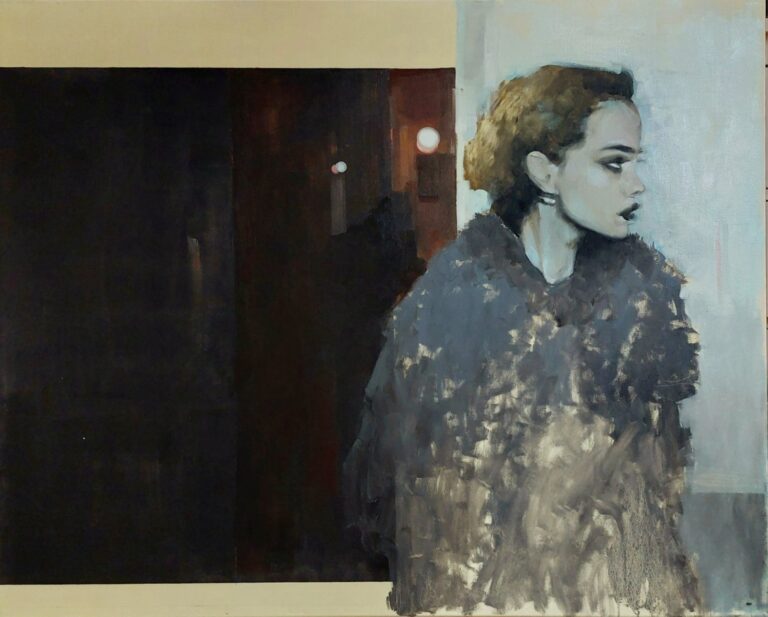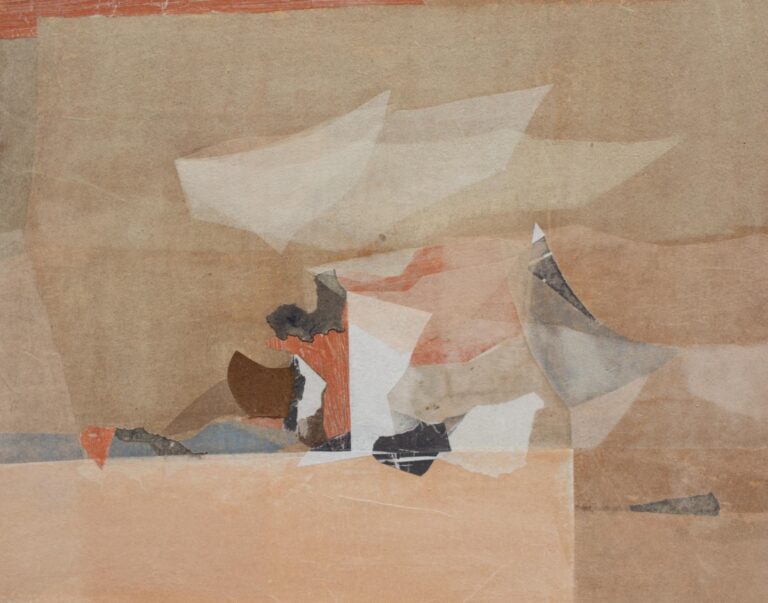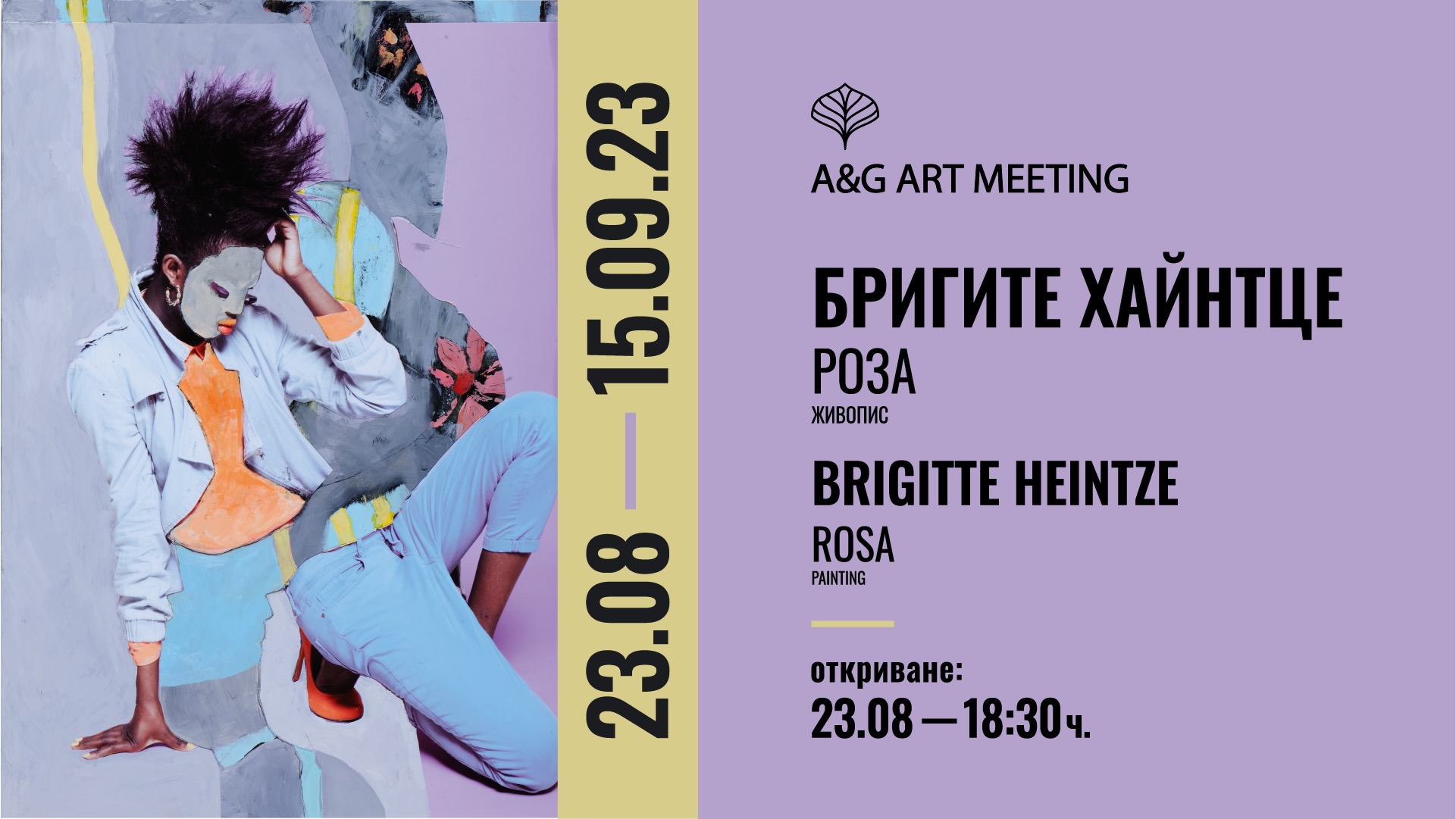
In the exhibition “Rose” Brigitte Heintz analyzes and compares the cultural, socio-economic and religious environment of the modern woman. Using various techniques such as collage, graphics and painting, she presents us with sometimes poster-like and bold, sometimes situationally profound clichés and situations in our European everyday life and beyond. At the center of her works is the woman in all her potency, multi-colored, religious doom, oppression, resignation. The clichés that decolorize and depersonalize the role of women in the past and today. The woman, Eve, girlish pink and red.
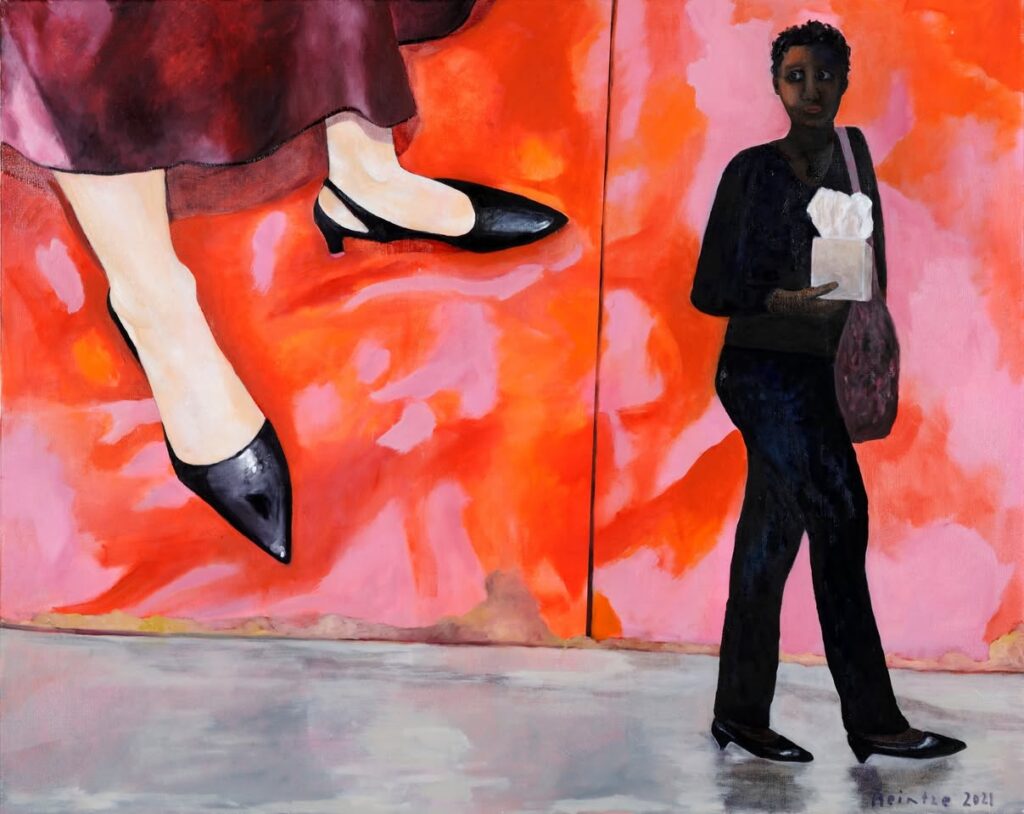
The scream of red is drowned out by everyday life, the favorite pink of every little girl is transformed from the color of an awakening into the color of worn-out old age. This is especially strong and expressive in the series of paintings from São Paulo. Fear, violence, submission even to a pair of boots, the problems of racism. The life drama of people of color cannot be wiped away with a “white” handkerchief, their dream of being whiter in the hope of a more normal life.
With each work, we must decipher the puzzle of messages that shape it.
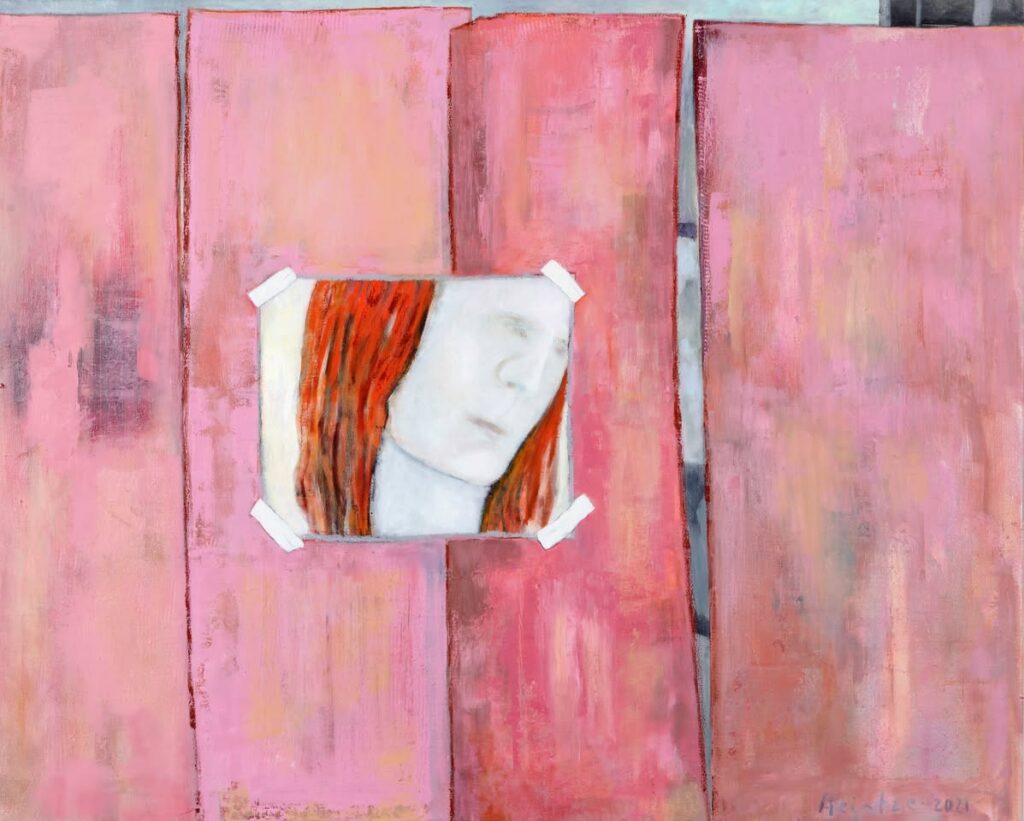
One of the paintings evoked a different interpretation in me and provoked my thought with the question: could Christ have been painted like this if he were a woman? Brigitte Heintze is not blaspheming, perhaps she is boldly reflecting on the thesis of the divine principle.
Women, women, women. Brigitte presents them, but does not comment on them. She paints states with respect, empathy, her drawing is as free as the spirit of her characters. They are all beautiful in their difference.
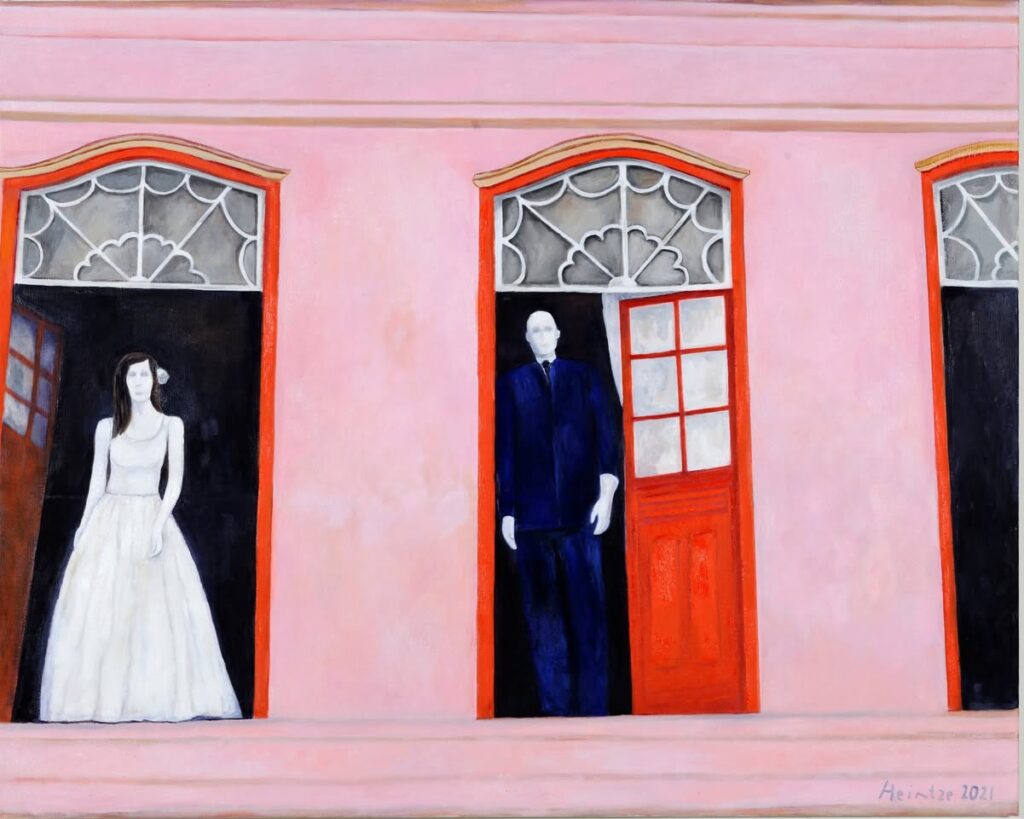
The cycle of graphics “Sunday Morning in São Paulo” is a sad reality of modern life, even in the multicolor it remains strongly canonized, geometric and rigid. The beautiful past (looking at the white female sculptures) is in unbearable contrast with the overwhelming spatial powerlessness. The powerlessness that we also know, this in front of the new and old giants, in front of the new lack of culture. The collages, a staging, as Brigitte herself describes them, are stories about different biographies. They are a chronicle of life episodes, like a psychogram, in which we see embedded Renaissance elements.
If I were white, life would be beautiful, but I am sad, my dream of another life, European women with tiger collars, wearing awards in the fight for the protection of animals.
The palette with which Brigitte works is very large and colorful, the themes are both current and eternal, the power of the story is not spared, on the contrary – it is emphasized in its clarity and unambiguousness – « La vie en rose ».
A. H.