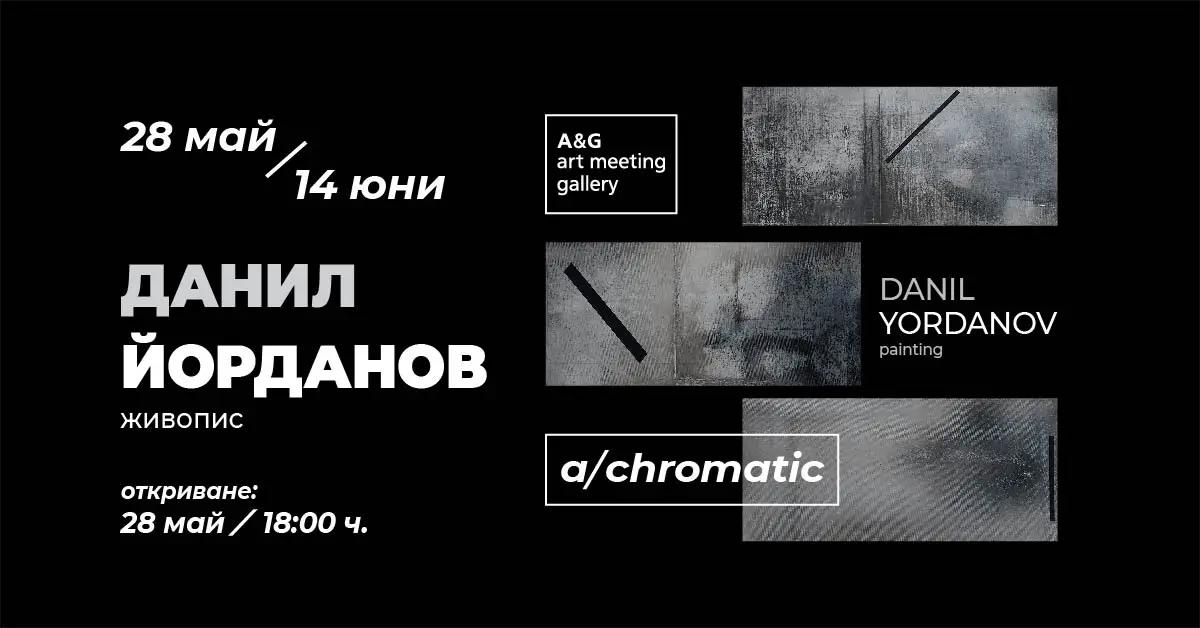
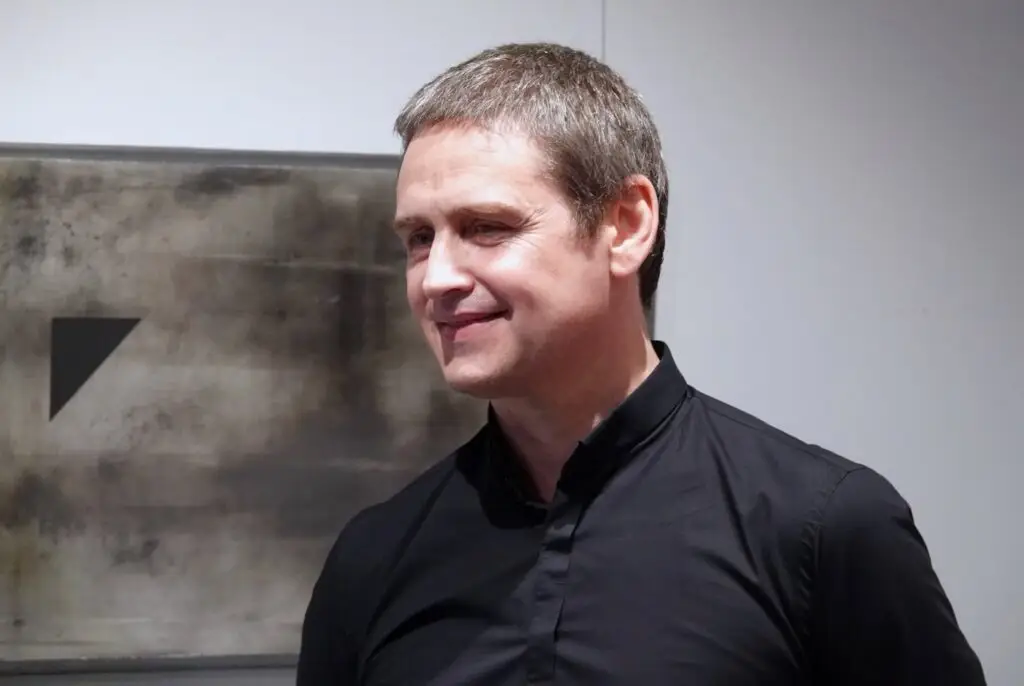
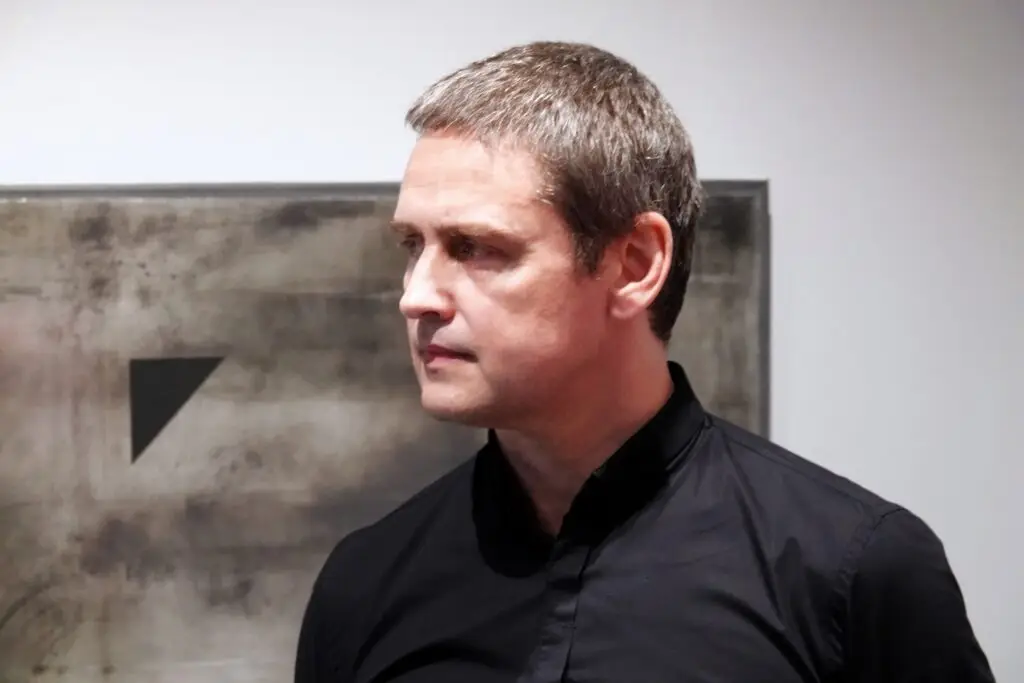
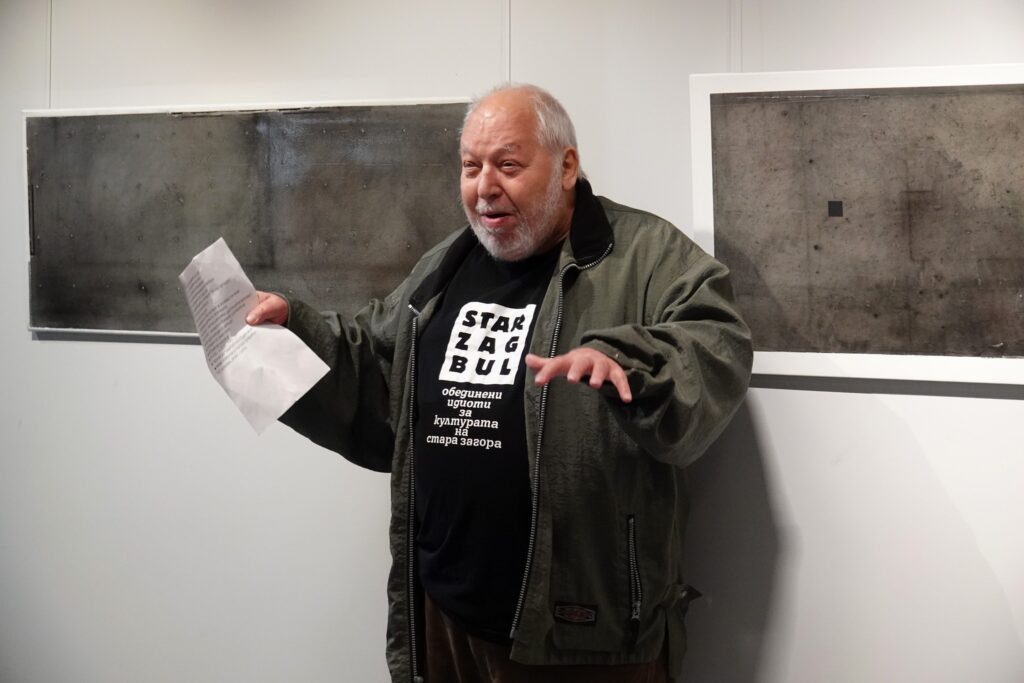
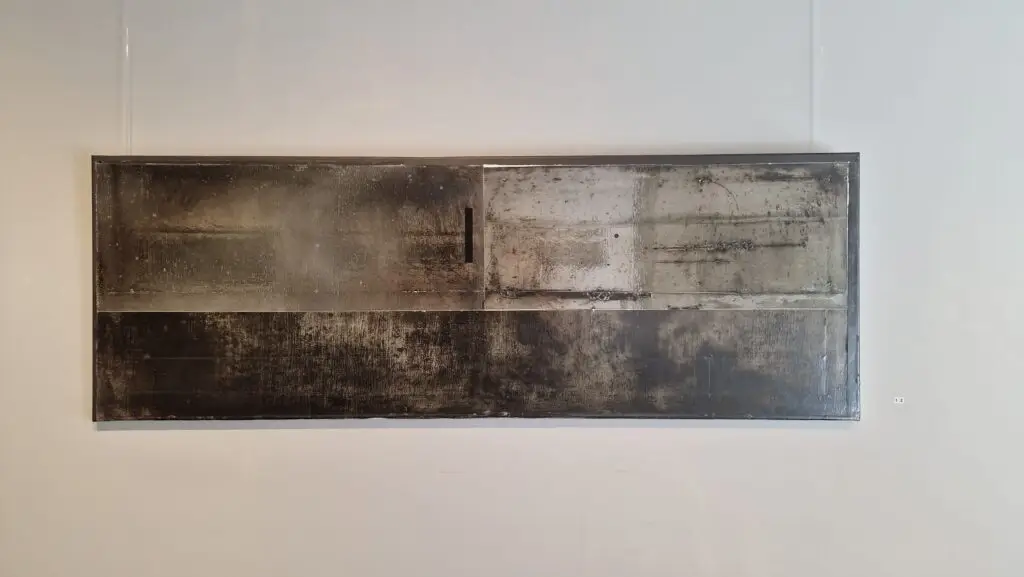
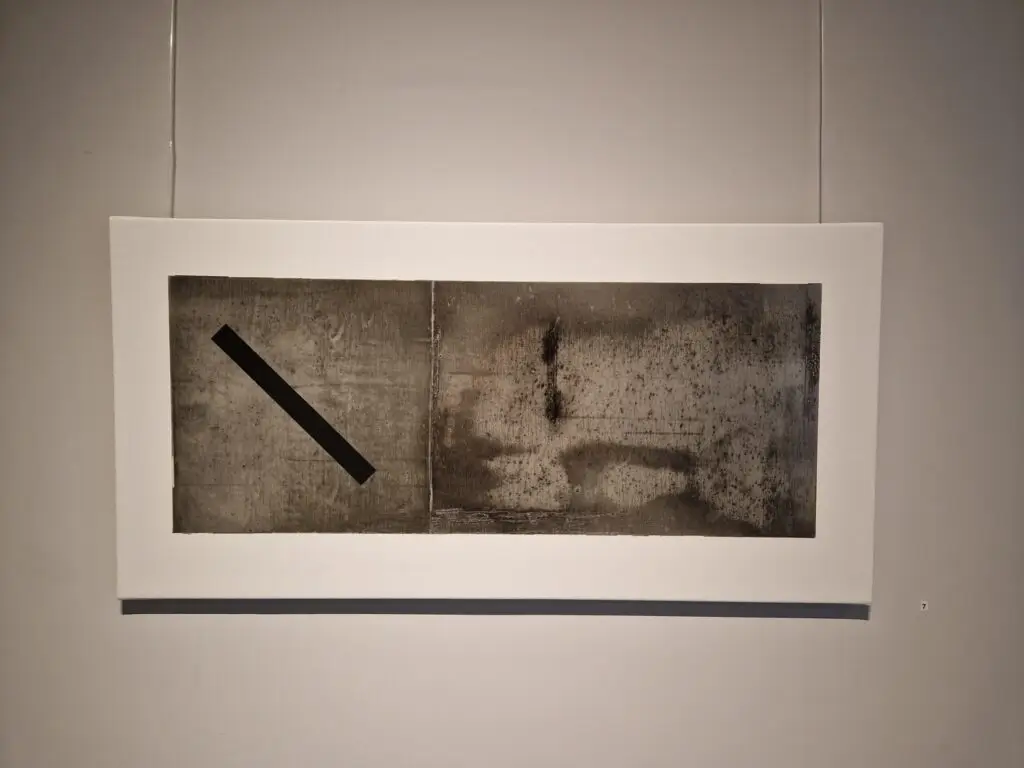
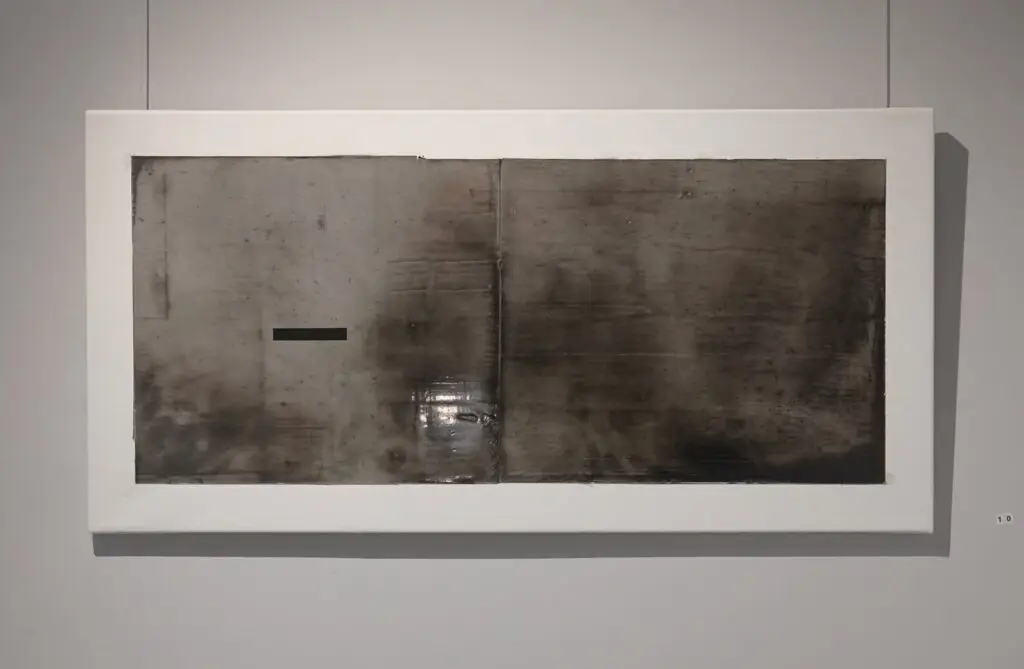
Danil Yordanov is not a discovery. Neither for me nor for the audience. At first glance, his works inspired respect, confidence and calm. Although without loud declarations, he was distinguished by the confidence of a mature artist, just like for the end of the 20th century.
For a person who has recognized the line of the sea horizon as a personal histogram since childhood (Danil was born and raised in Balchik), the mechanics of everyday life are arranged simply and consistently. Layer after layer, like an experienced gunsmith or pathoanatomist, he reaches the indivisibility of the foundation, the bearer of all moving mechanics. The foundation interests him, and this is not curiosity. This is an attempt to acquire systematic knowledge and skills, which in their visible part are already irreversibly branched. I am sure that the satisfaction, even from the partial control of chance, is great. This is the timelessness of Bill Evans and the mature Miles. Minimalism with a human face or mainstream with minimalist – it depends on which side you are on.
In festivals such as Process – Space in Balchik and August in Art in Varna or in his personal appearances in the Bulart, Yuka or Georgi Velchev Museum galleries in the first decade of this century, Danil Yordanov convincingly stated the parameters of his creative intentions.
With the unwavering support of his family – an open creative circle with established values, Danil did not hesitate to make unpopular decisions under the pressure of economic coercion. This prepared him for complete independence from the vagaries of the market. In 2007, the Yordanov tandem was also marked with the Stalker sign for a worthy civilizational choice in the field of visual arts.
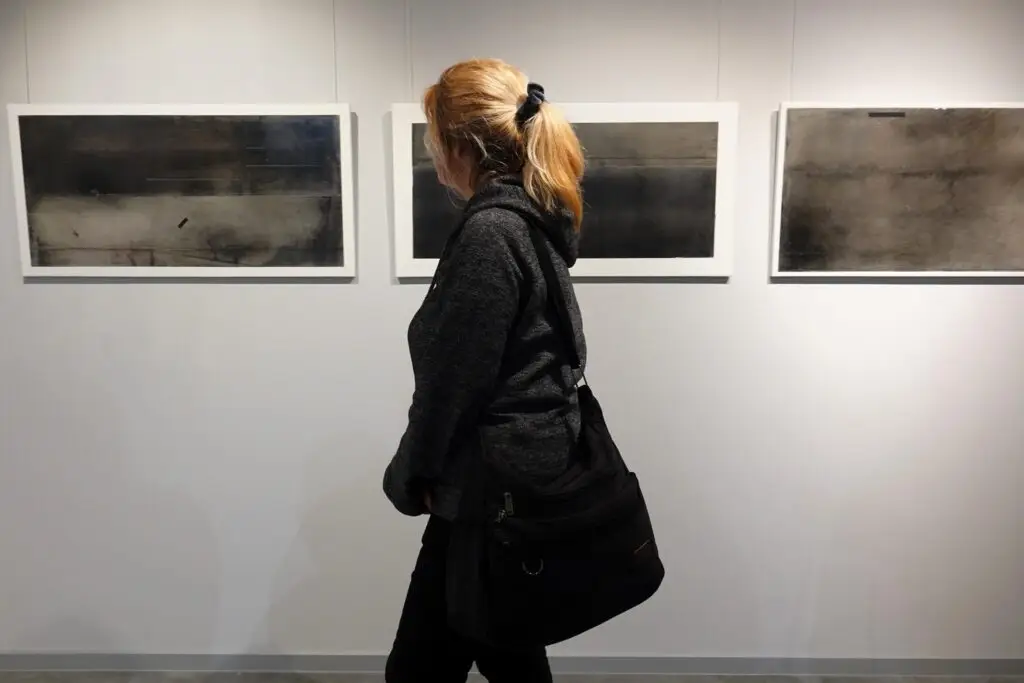
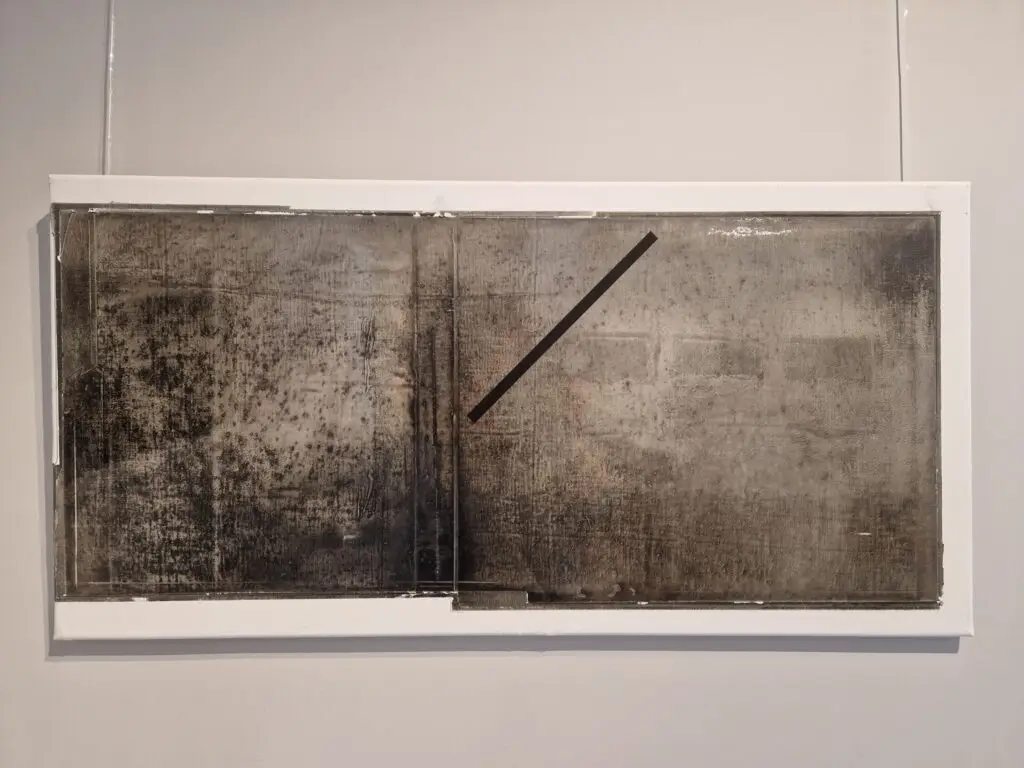
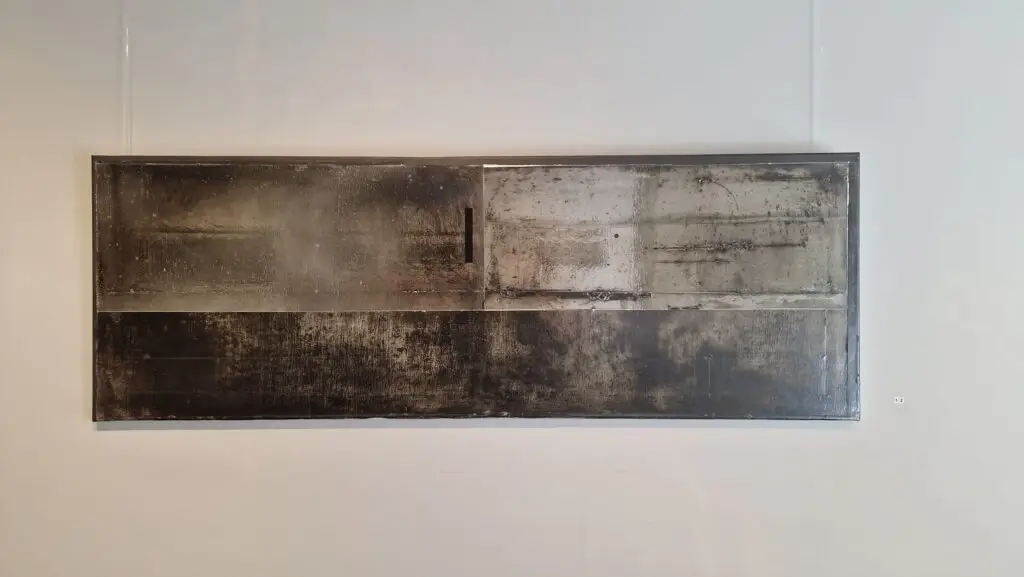
Danil’s works always crackle with tactility, but the author keeps it to himself. In today’s version, the supporting medium – paper – is replaced by canvas, and the transparent synthetic layer replaces the protective glass, but does not eliminate the physical sensation of a freshly healed wound. The audience is tricked into fantasizing about all sorts of technologies that have lost their distinctive signs. The counterpoint, bequeathed by JSB, takes the form of a cut or a breakthrough, and the endless polyphonic lace of baroque arpeggios and cadenzas has become a straight line. Categorical and unavoidable. The texture has become a structure. No matter whether they resemble an object, a ready-made, a direct imprint in the spirit of gyotaku, etching or drypoint, the message to the audience is unambiguous.
I am an ordinary contemporary artist and the postmodernist’s antics do not amuse me.
For almost ten years, Danil Yordanov’s family has lived in Germany. In southwestern Kaiserslautern, a small German city called K-CITY by the numerous American military experts based there during the Cold War. Today, the infamous PFAF sewing machines and the only German cars affordable to the average Bulgarian man, OPEL, are still produced.
Nothing we sent him with has been replaced. The route for the highway to Europe has been carefully prepared, and Danil fits perfectly into the peaceful German landscape of post-minimalism, but always within arm’s reach of the media-attractive manifestos of the Suprematist legacy.
Even his latest participations in group projects, as well as his solo exhibitions, confirm it. And that’s why the audience today is not surprised. I am not surprised either. I am slowly and quietly enjoying the rare animal – the true artist.
Dimitar Traychev, Varna, 25.05.2025